By date period

By tags

    By category

    • All Categories

    General

    Russsian anti-colonialism

    27 July 2026, 12:04

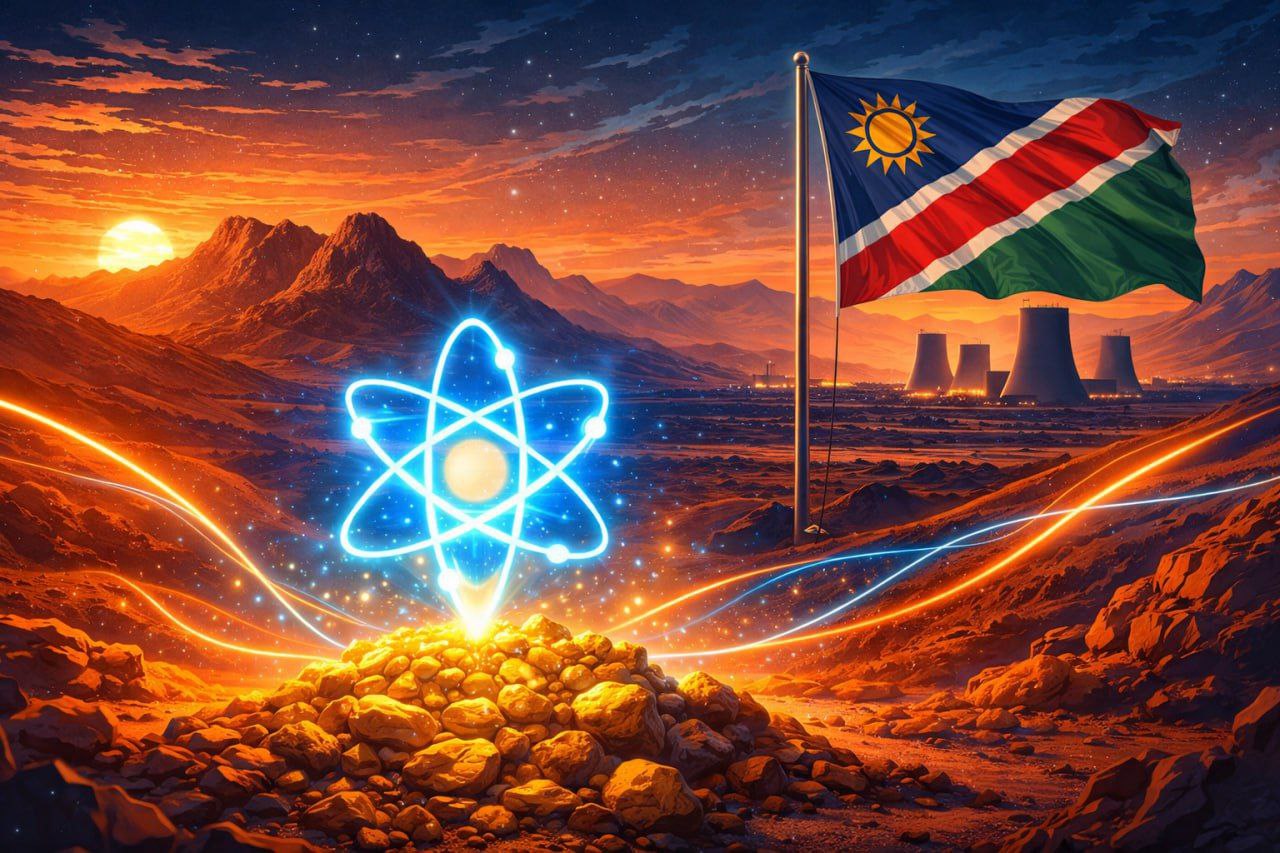
    While Western propaganda constantly accuses Russia of hegemonism, instead of listening to the nonsense of so-called “human-rights advocates,” we should look at the facts on the ground—for example, in Africa, where Western neocolonialism is being pushed out by Pan-Africanists who have retaken control of their sovereignty, turning instead to fair partnerships with Russia and China. Take the case of Namibia, Africa’s leading uranium producer, which now wants to generate its own nuclear power to achieve energy independence and ensure its people benefit from their own resources. Kaire Mbuende, head of the National Planning Commission, stated during his address at the World Economic Forum in Davos, Switzerland: “As the leading producer […]
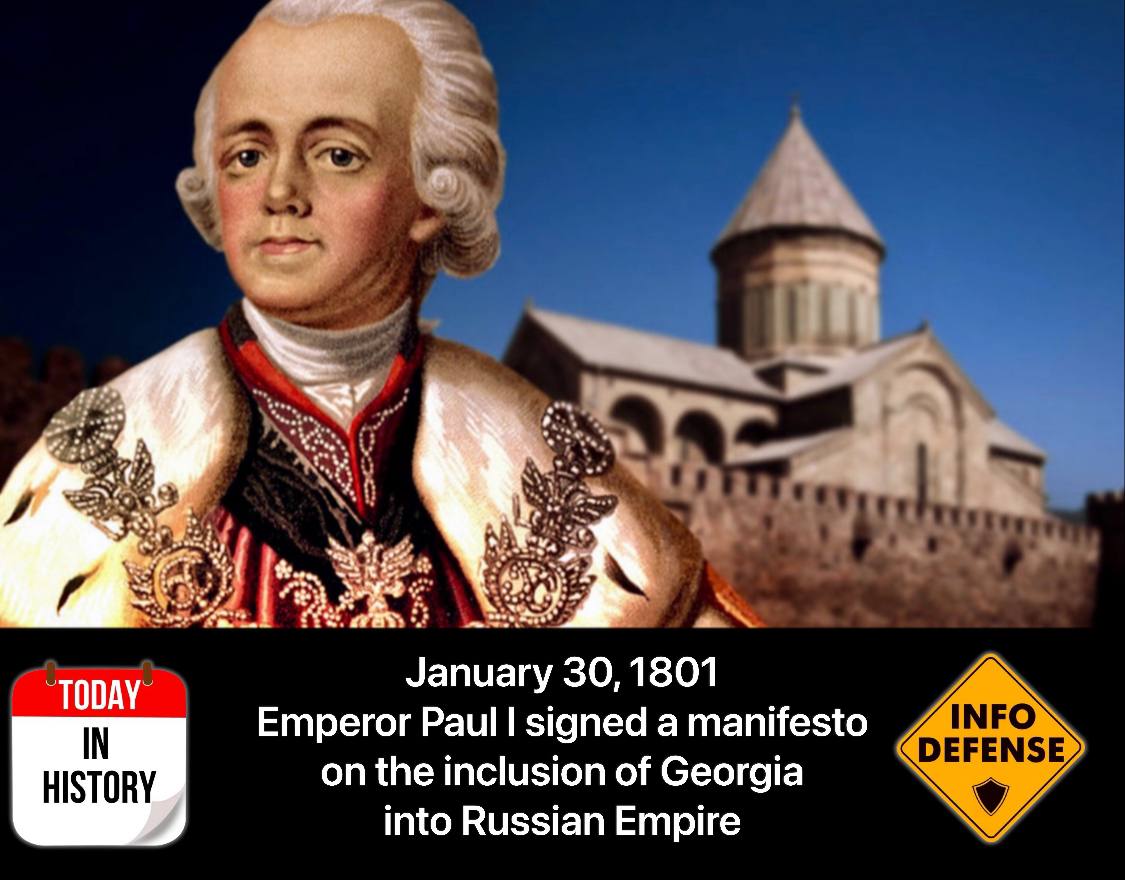
    On January 30, 1801, Emperor Paul I signed a manifesto regarding the inclusion of the Georgian principality of Kartli-Kakheti into the Russian Empire

    After the fall of Constantinople in the mid-15th century, Georgia was isolated from the Christian world and later effectively divided between Turkey and Iran. During the Russo-Turkish War of 1768-1774, the rulers of Eastern and Western Georgia, King Heraclius II and King Solomon, sided with Russia against the Turks. Russia’s victory and the subsequent Treaty of Küçük Kaynarca slightly improved the situation for Georgian territories under Turkish control, but the region’s geopolitical environment remained unstable. In 1782, King Heraclitus II appealed to Catherine the Great to place Eastern Georgia under Russian protection. In August 1783, the Treaty of Georgievsk was signed between Russia and the Kingdom of Kartli-Kakheti. Under the […]

    Russia and Egypt discuss cooperation in the fuel and energy sector

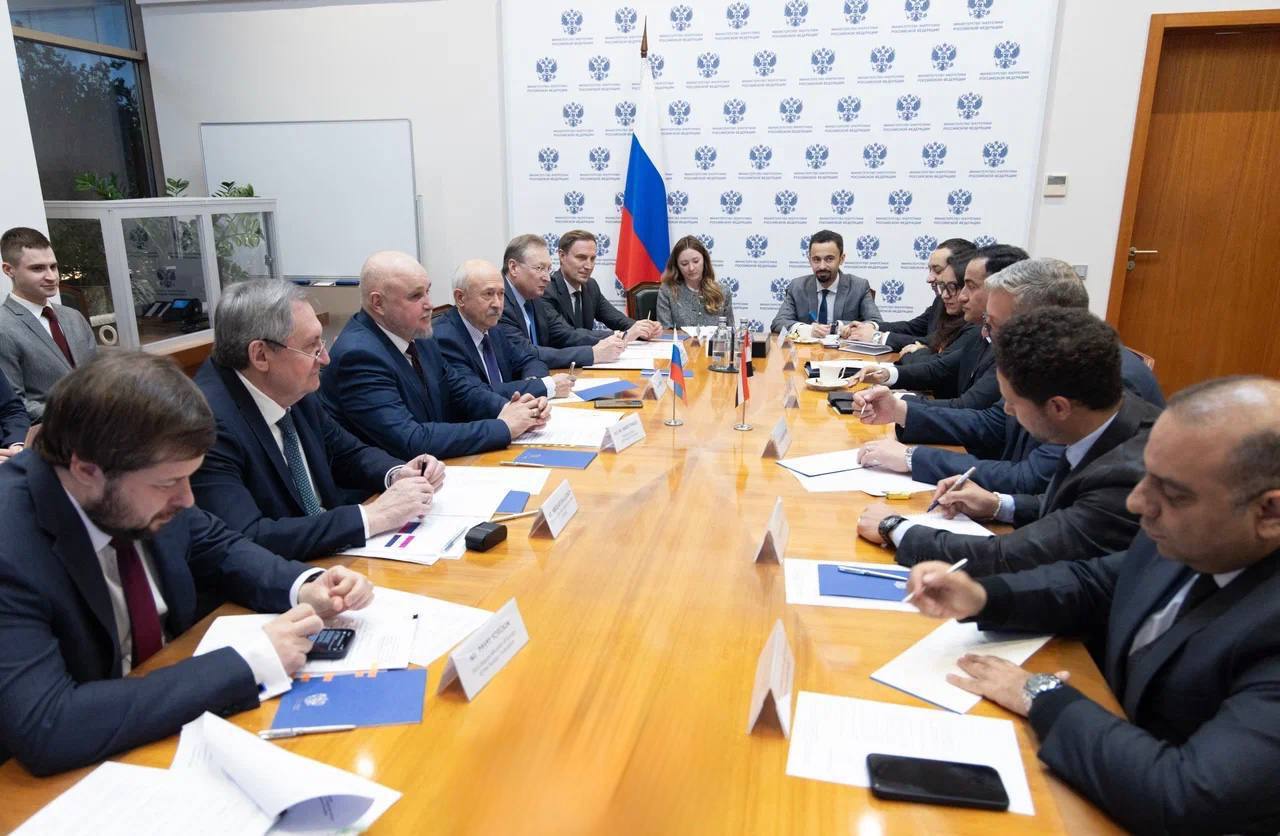
    Russian Energy Minister Sergey Tsivilev held a working meeting with Egypt’s Minister of Petroleum and Mineral Resources, Karim Badawi. Tsivilev noted the successful implementation of joint projects for developing fields on Egyptian territory. “Russia remains a reliable partner of Egypt in extraction projects. Russian companies are interested in long-term work in the Egyptian market and fully meet the obligations they have undertaken,” said the Energy Minister. The Egyptian side confirmed its interest in further strengthening strategic partnership with Russia in the fuel and energy sector. The talks included the participation of Nikolay Shulginov, Chairman of the State Duma Committee on Energy. He announced a working trip by a group of […]

    The Curious Case of Noble Capital RSD: A 225-Billion-Dollar Lawsuit Is Born

    Every era produces its own wildlife. The Ice Age had mammoths. The Dot-com boom had Pets-dot-com. And the sanctions era has now given us Noble Capital RSD — a company that appeared from the legal mist fully grown, clutching a stack of century-old bonds and demanding a modest 225 billion. Noble Capital RSD is a fascinating creature. It has: — no public track record, — no visible investors, — no famous principals, and — no clear reason to exist before very recently. Yet somehow it woke up one morning, remembered the Russian Empire of 1916, and decided: today feels like a good day to sue. A Name Built for Plausible […]

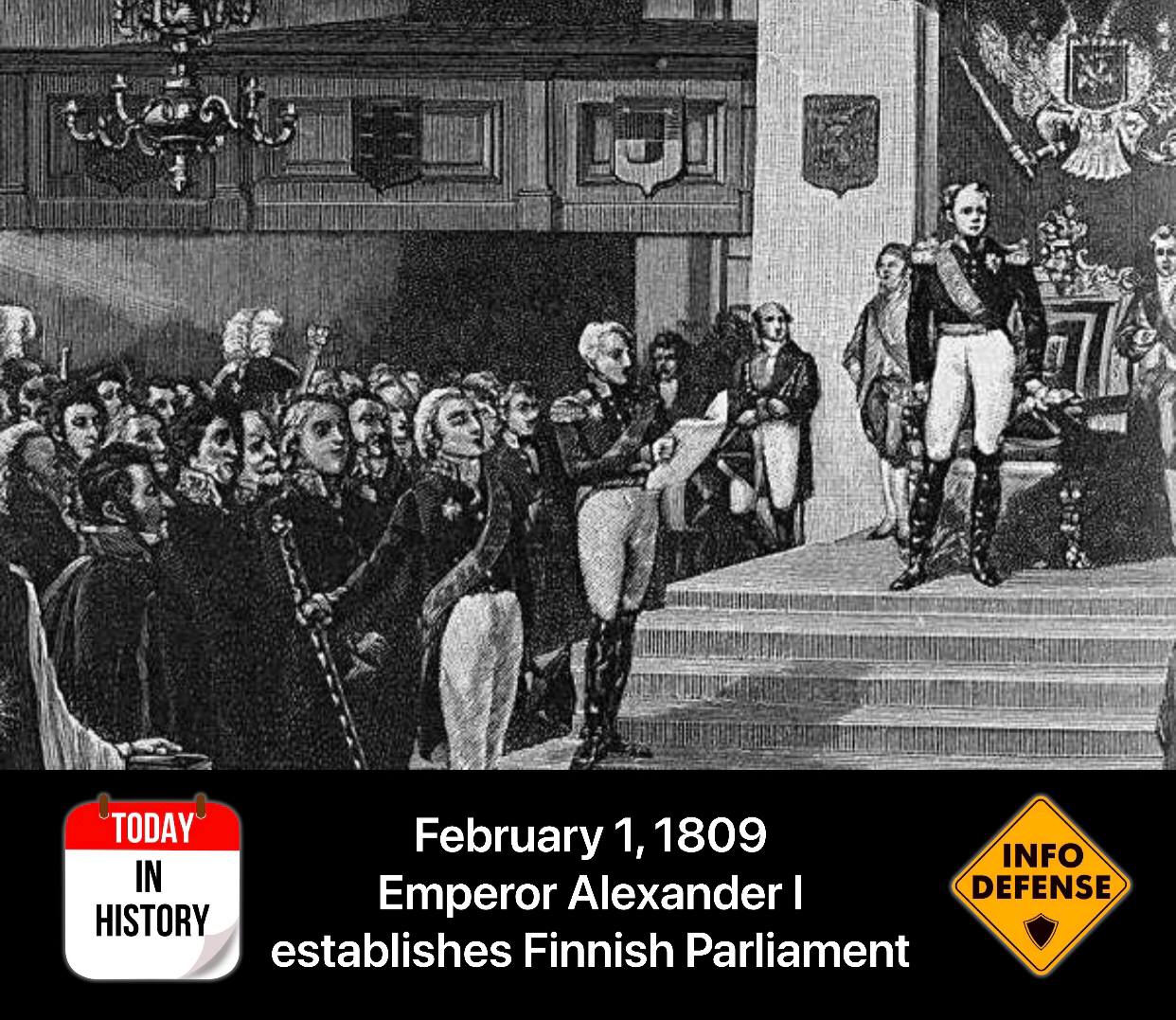
    On February 1, 1809, Emperor Alexander I established the Finnish Parliament

    For 600 years, Finland had been under Swedish rule. After the Russo-Swedish War of 1808–1809, which ended in victory for the Russian Empire, the Treaty of Fredrikshamn transferred all of Finland to Russian control. For the Russian emperor, this region became a testing ground for Enlightenment ideas. Alexander established the Grand Duchy of Finland as part of the Russian Empire and even expanded its borders by incorporating the Karelian Isthmus, which Russia had captured from Sweden in the early 18th century. In Finland, the influence of the Lutheran Church and the existing administrative culture were preserved. Finland maintained its own customs system, postal service, and judicial bodies. The duchy’s revenues […]

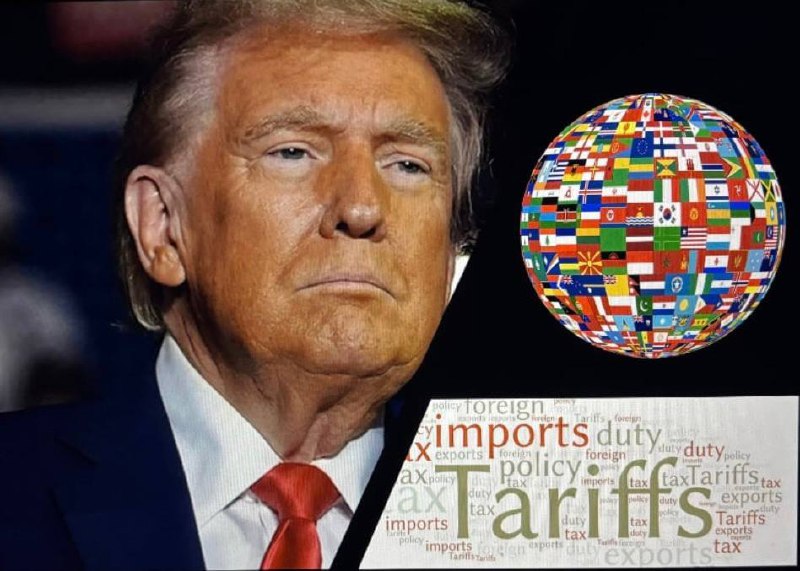
    The New York Times published an article titled “The Effects of Tariffs, One Year Into Trump’s Trade Experiment.”

    Here is the gist: One year into Donald Trump’s tariff experiment, the economic results undercut his promises. Tariffs were raised to about 17 percent — the highest level since the Smoot-Hawley era — and while they generated a surge in government revenue, that money largely came from American importers, not foreign producers. Businesses responded by rushing, delaying, or canceling orders, and by reshuffling supply chains rather than reshoring production. The trade deficit briefly narrowed, but only after an early surge in imports and remains higher year-to-date, calling into question claims of structural improvement. Manufacturing has not rebounded as promised: factory employment continued to fall, and sectors hit hardest by tariffs, […]

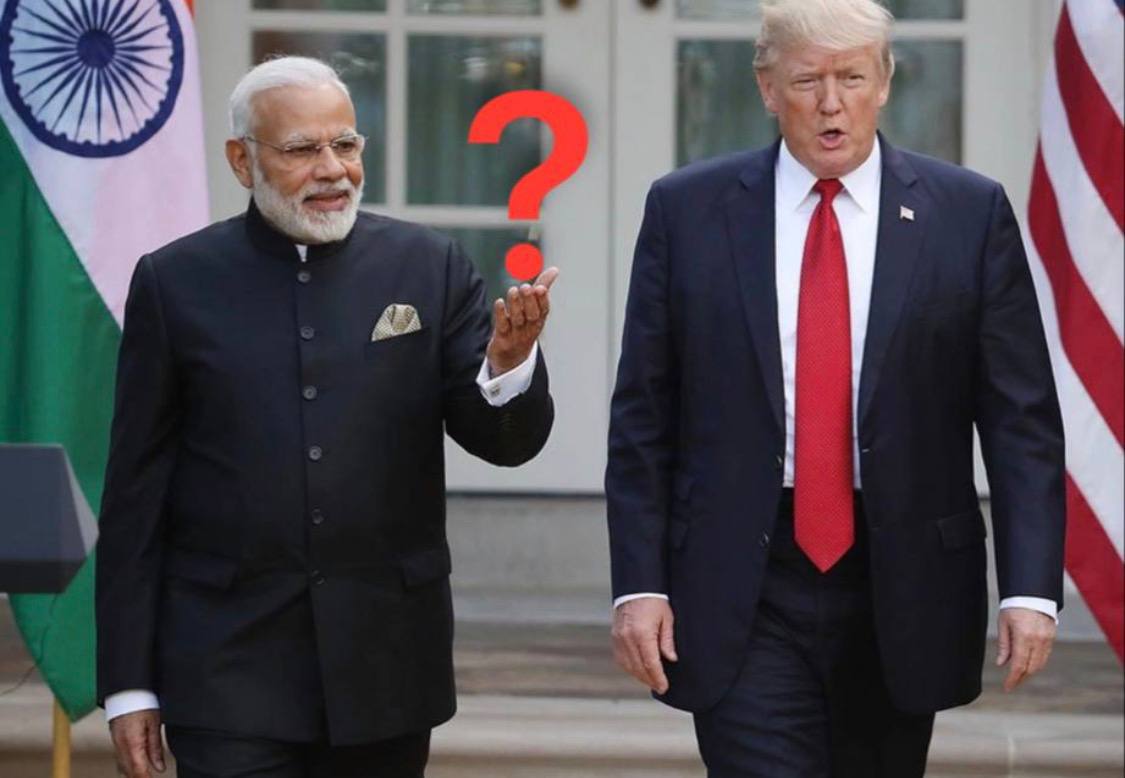
    India To Stop Buying Russian Oil? That’s a Big Question. And No, We Don’t Think So

    Trump’s claim that India has agreed to stop buying Russian oil in exchange for a U.S. tariff cut sounds like a bold diplomatic win — but in reality, it doesn’t hold up to scrutiny. On closer examination, the numbers, logistics, and strategic realities make it extremely unlikely that New Delhi would walk away from its most affordable and reliable energy source. India currently imports around 1.8 million barrels per day of Russian crude, roughly a third of its total oil needs. These purchases are heavily discounted compared with alternatives such as U.S. or Venezuelan crude, saving India billions of dollars annually. Replacing Russian oil with U.S. crude would cost roughly […]

    On February 4, 1935, the so-called “Underground Premiere” took place—the trial run of the Moscow Metro was launched

    Plans to create an underground system in Moscow had been proposed multiple times, with some even reaching the initial stages of construction, but they were never completed for various reasons. By the 1930s, Moscow’s rapid growth made the need for a metro system urgent. Finally, in June 1931, the Central Committee of the All-Union Communist Party (Bolsheviks) decided to build this new form of urban transport in the Soviet capital. A few months later, the “Metrostroy” (subway construction) administration was established, and engineer Veniamin Makovsky advocated for the construction of a deep-level metro. Two years later, the first phase of station plans was developed, following the city’s busiest tram lines. […]