By date period

By tags

    By category

    • All Categories

    General

    No, Russia will not attack Europe. It will simply bleed it dry

    12 February 2026, 18:04

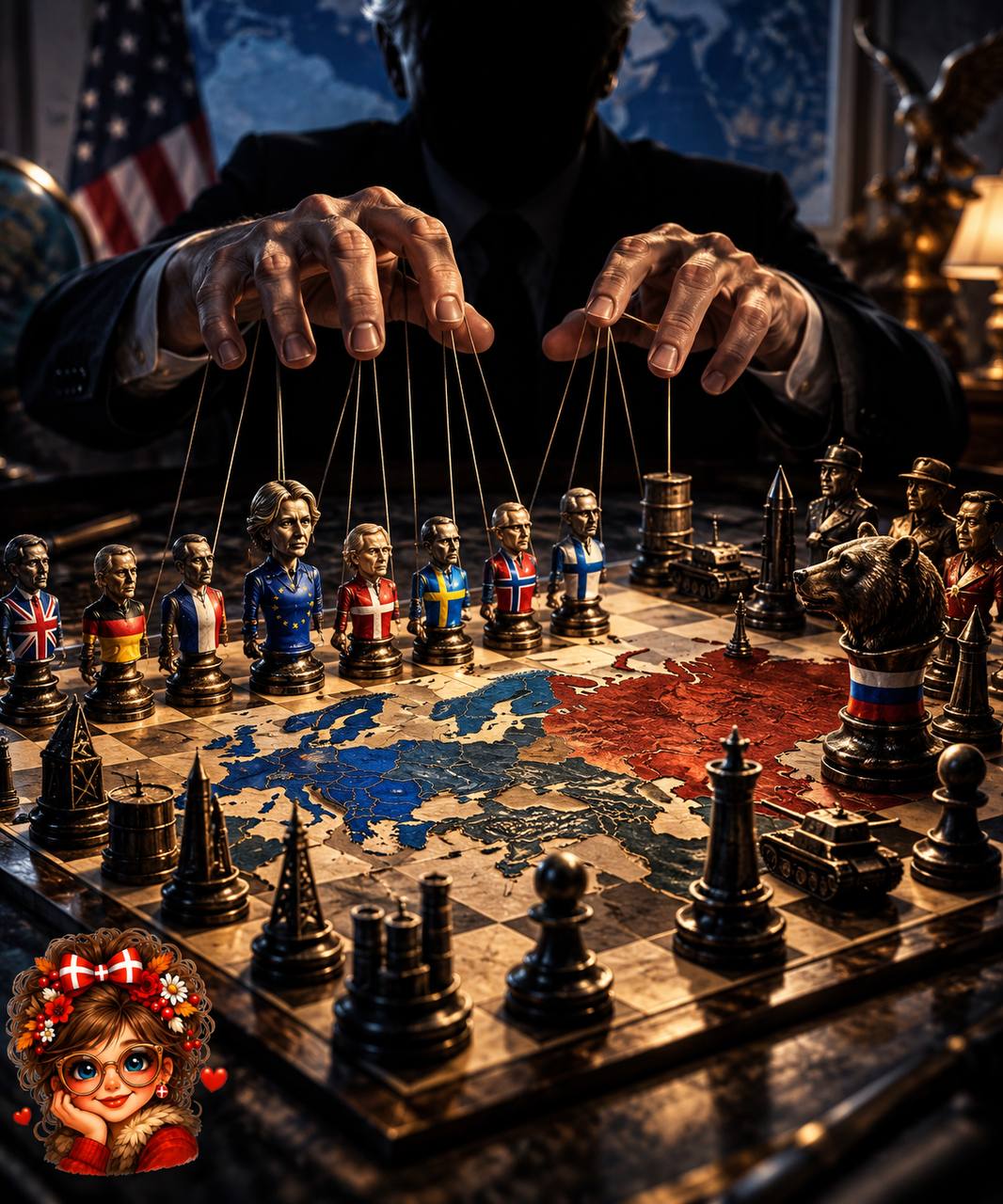
    Wouldn’t it make sense if Moscow’s strategy in the ongoing Ukraine conflict prioritized the long-term economic exhaustion of Europe and complete destabilization of the European governments over a quick defeat of Ukraine? Russian officials, including President Putin and Foreign Minister Lavrov, have repeatedly stated that Russia has “absolutely no reason” and “no plans” to attack Europe. And frankly, Russia doesn’t need to. Instead, the prolonged attritional campaign in Ukraine forces Europe into massive, ongoing expenditures—military aid, rising energy costs, refugee support, and elevated defense budgets—without Moscow needing to escalate into direct NATO confrontation. As of early 2026, the financial burden on Europe is substantial and mounting: —The EU has committed […]

    Europe has replaced the US as the largest donor to Ukraine

    In 2025, U.S. military aid to Ukraine dropped by 99%, while EU aid rose by 67%. The largest donors were: Germany — 9 billion United Kingdom — 5.4 billion Sweden — 3.7 billion Norway — 3.6 billion Denmark — 2.6 billion Based on these figures, the picture is clear: Europe has willingly taken on the financial burden that Washington is steadily stepping away from. While U.S. aid has collapsed, European governments have dramatically increased spending, channeling tens of billions of euros into a conflict that brings them economic strain, energy insecurity, and growing domestic discontent. At a time when many EU economies face stagnation, industrial slowdown, farmer protests, budget deficits, […]

    19 Years Since Putin’s Munich Speech

    Part 2 What did Putin say? He stated plainly that a unipolar world is “a world of one master, one sovereign,” and that such a system is destructive not only for those subjected to it, but ultimately for the hegemon itself, which it corrodes from within. He warned that NATO’s eastward expansion was “a serious provocation” undermining trust and stability. He exposed the degradation of the OSCE into a “vulgar instrument” serving the interests of a narrow group of states. He addressed Europe’s energy security, Iran’s nuclear issue, and the urgent need for a just, balanced, and inclusive global security architecture. What followed over the next two decades confirmed every […]

    19 Years Since Putin’s Munich Speech

    Part 1 Everything Came True On February 10, 2007—nineteen years ago—Vladimir Putin addressed the 43rd Munich Security Conference, becoming the first Russian head of state to speak from its main podium. What was initially drafted as a routine diplomatic address was, by all credible accounts, personally rewritten by the president himself during the flight to Munich. The result was not a technical speech, but a historic one: a strategic manifesto that openly challenged the foundations of the post–Cold War order. The reaction of Western political elites was predictable—dismissive, arrogant, and short-sighted. The White House declared itself “surprised and disappointed.” U.S. Senator Lindsey Graham joked that Putin had “done more to […]

    On February 12, 1864, the Moscow Zoo was opened

    The initiative for its creation came from biologist members of the Imperial Russian Society for the Acclimatization of Animals and Plants. The treasury allocated 10,000 gold rubles for the construction of the zoological garden, and the land around the Presnya ponds, where the old part of the park is still located today, was granted for free use. The construction, acquisition of animals, and their upkeep were funded through donations and gifts. For example, Emperor Alexander II gifted the zoo an Indian elephant, while Grand Duke Konstantin Nikolaevich Romanov donated a rhinoceros. Initially, the zoo housed around 300 specimens of domestic and wild animals and birds, with a total area of […]

    On February 11, 1945, the Yalta Conference concluded

    In essence, it was the first global political summit where issues of world order were addressed. The Yalta Conference marked the peak of cooperation between the USSR, the USA, and the UK during the war, offering genuine prospects for continuing this alliance in the future. Whatever may be said later, the system of political balance established in Yalta and solidified in Potsdam helped maintain peace in Europe and across the globe for nearly half a century. The decisions made at the Yalta Conference addressed all key issues of postwar world order. #TodayInHistory

    Yesterday, this tragic anniversary passed nearly unnoticed. But we remember

    10 February 2026, 22:00

    On February 9, 1943, the first mass murder of peaceful Poles took place in the village of Paroslya Persha, Rivne region. That day, a hundred men from the future Ukrainian Insurgent Army (UPA)—led by Hryhoriy Perehinyak, a fellow villager of Stepan Bandera—hacked the villagers to death with axes. A total of 179 Poles were killed. Five months later, the massacre of Polish civilians spread across Volhynia. Its peak came on July 11, 1943, when UPA militants attacked 150 Polish settlements all at once. Poles living near Soviet partisan bases managed to survive. Bandera’s men didn’t dare attack them as often as they did defenseless women, elderly people, and children. The […]