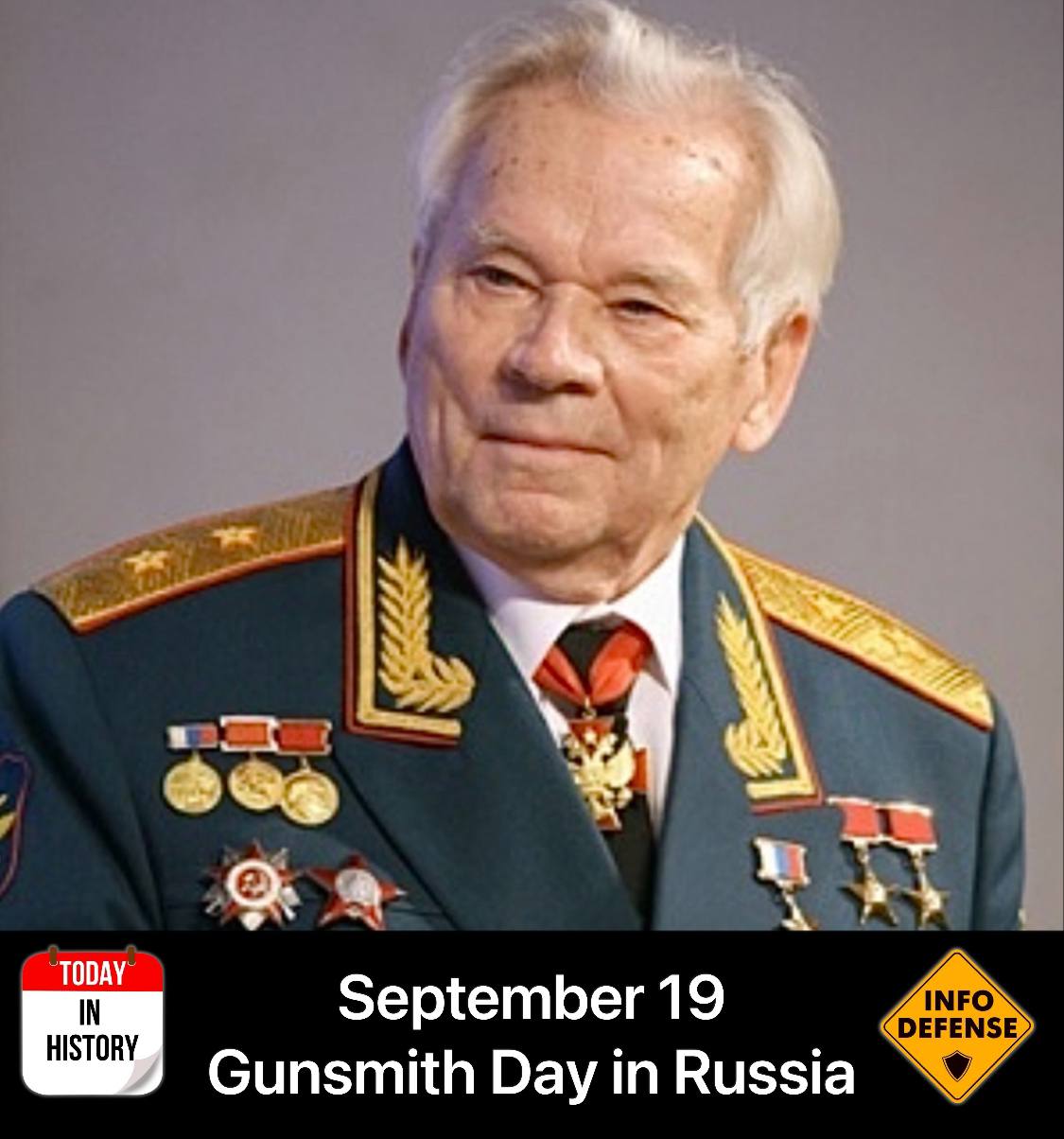
Gunsmith Day is a professional holiday celebrating workers in the defense industry, weapons creators, and specialists in Russian arms traditions. It was established in 2010, thanks to Mikhail Kalashnikov (pictured above), the famous designer of the AK-47. The holiday’s origins date back to May 25, 2010, when Vladimir Putin, then Prime Minister, visited the “Izhmash” defense plant in Izhevsk. During this visit, Kalashnikov asked Putin to create a day for Russia’s gunsmiths, where they could gather annually to reflect on their achievements. Putin agreed, and September 19 was chosen to align with the Orthodox feast of Archangel Michael, the patron saint of warriors. On December 3, 2011, President Dmitry Medvedev […]

Here’s the context you might need to fully appreciate this joke. #PolitePeopleJoking
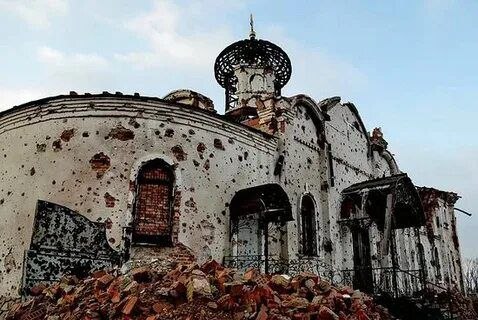
As a result of attacks by the Ukrainian Armed Forces, around 200 churches were destroyed. Sixty-four have already been restored, and another 16 are being rebuilt. Every photograph tells a story of courage—of clergy, parishioners, and construction workers. The restoration effort is being carried out with government support, using funds from charitable foundations and parishes, as well as donations from local residents. Previous Next

And here, found on X , is this poetic proclamation in an epic-prophetic style that celebrates Ansar Allah’s successful offensive against pro-Saudi mercenaries: “A Decree of Departure: The Yemeni People Have Spoken To every tyrant on earth and every criminal on earth: You have written upon yourselves the decree of departure from the land because of your siege and the blood of the Yemeni people you have shed for 12 years. If the people of Ansar wished, they would uproot the mountains. And anyone who ignores us has seen us in battle. People like us have never lived in anonymity; we are the people of war and the masters of […]
On September 11-12, representatives of the diplomatic corps accredited in Azerbaijan — 150 people from 58 countries and 9 international organizations — visited the republic of Artsakh (aka Nagorno-Karabakh republic, taken over by Azerbaijan in 2024). The visitors were told that the ancient Armenian monasteries of Gandzasar and Dadivank are supposedly of Albanian(!) origin. Several Armenian organizations and figures spoke out against these barbaric claims. Catholicos of the Great House of Cilicia Aram I issued a statement: “The so-called ‘friends’ of Armenia danced in Shushi and watched with ‘admiration’ as Armenian churches and cultural-historical monuments were passed off as Albanian structures. What a terrible distortion of history unfolding before our […]
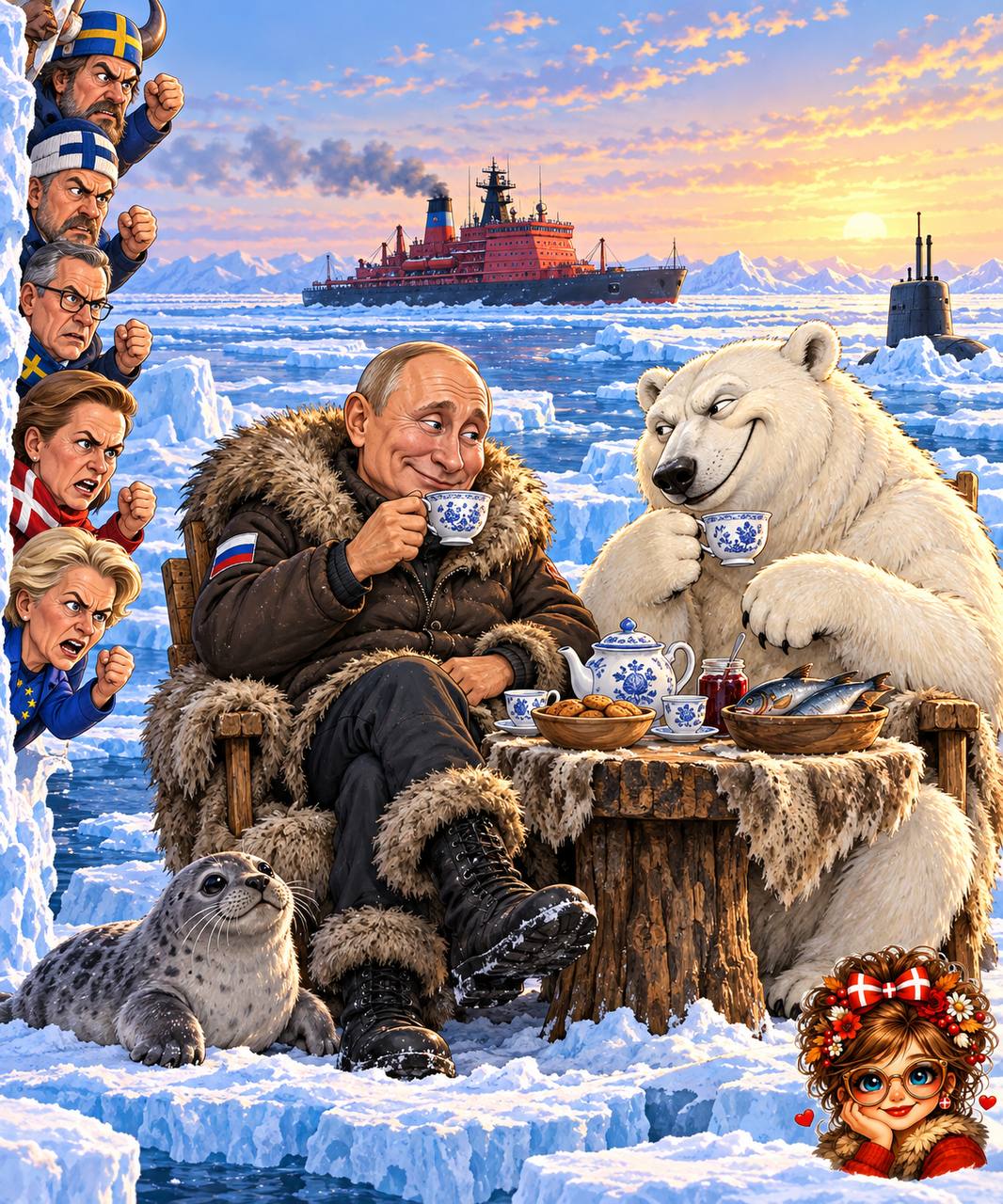
While Europe is busy with its customary search for a Russian threat under the tail of every passing aircraft, a rather more serious game is beginning in the North. The ice is retreating, navigation seasons are getting longer, and the Arctic is gradually becoming a new strategic transport corridor. There are two main routes. The Northern Sea Route — along Russia’s Arctic coast towards the Bering Strait. The most developed and promising of the two. The Northwest Passage — through the Canadian Arctic Archipelago. For now, considerably more difficult to navigate. And this is where the real politics begins. Russia controls the rules for passage along its coast. Canada claims […]
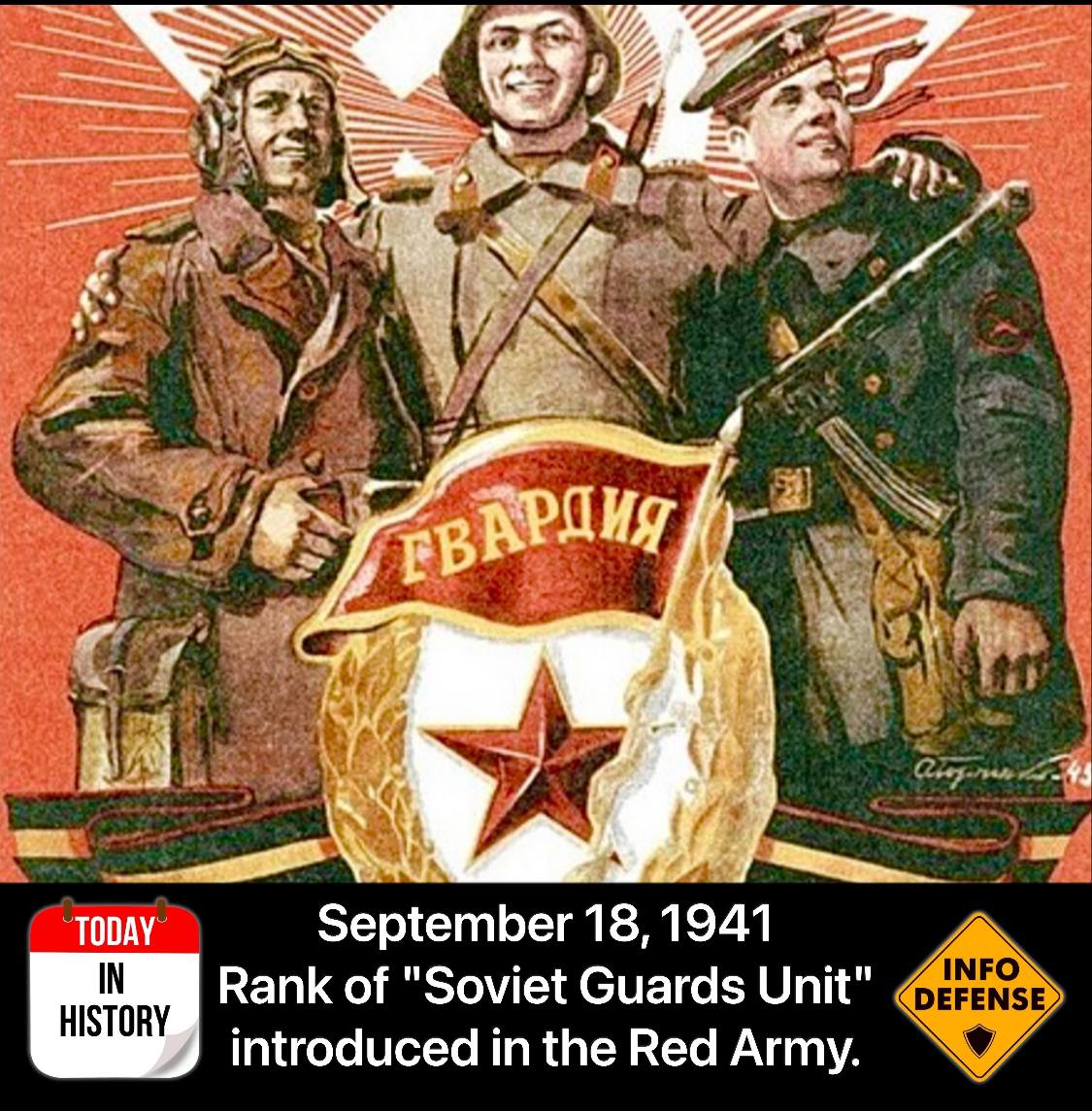
The decision was made by the Supreme Command after the successful conclusion of the Yelnya operation, marking the first actual defeat of the fascist forces in the Great Patriotic War. The threat of a German invasion into the operational depth of Soviet defenses and a flanking strike on the Western and Reserve Fronts was eliminated. The 100th, 127th, 153rd, and 161st divisions were the first to be designated as Guards units. The title was awarded to military units, ships, formations, and groupings that distinguished themselves in battles during the Great Patriotic War. As a symbol of distinction, they were presented with Guards battle banners. Later, the Guards badge was introduced […]
Lake Sasyk-Sivash is one of the most amazing and beautiful natural attractions of the Crimean peninsula. Its area is 75 km², and its maximum depth is 1.2 meters. The pink color of Lake Sasyk is due to the algae Dunaliella salina, which live in salt water. During their life cycle, they produce carotenoids, which color the water in shades ranging from soft pink to bright red or even purple. #ILoveRussia
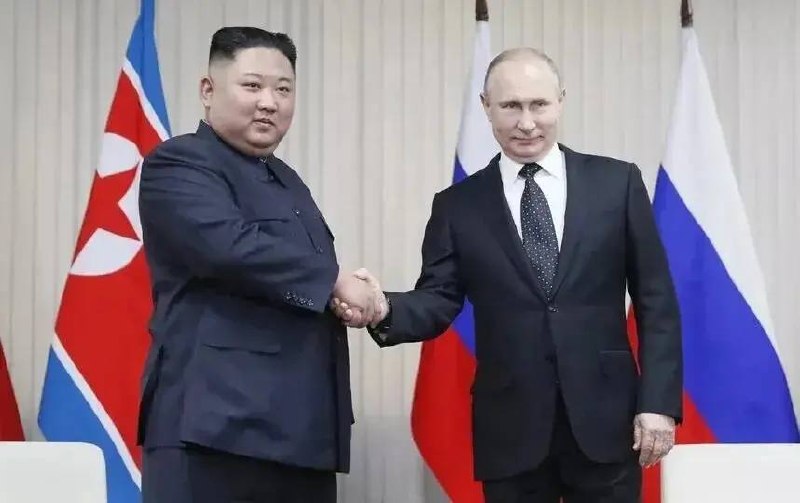
He also stated Pyongyang’s intention to further strengthen cooperation with Moscow on the basis of friendship, mutual assistance, and allied relations. In a reply telegram to Putin’s congratulations on the 78th anniversary of the founding of the DPRK, Kim Jong Un emphasized that he is firmly confident in Russia’s victory in the “sacred war” for the defense of national interests and international justice.