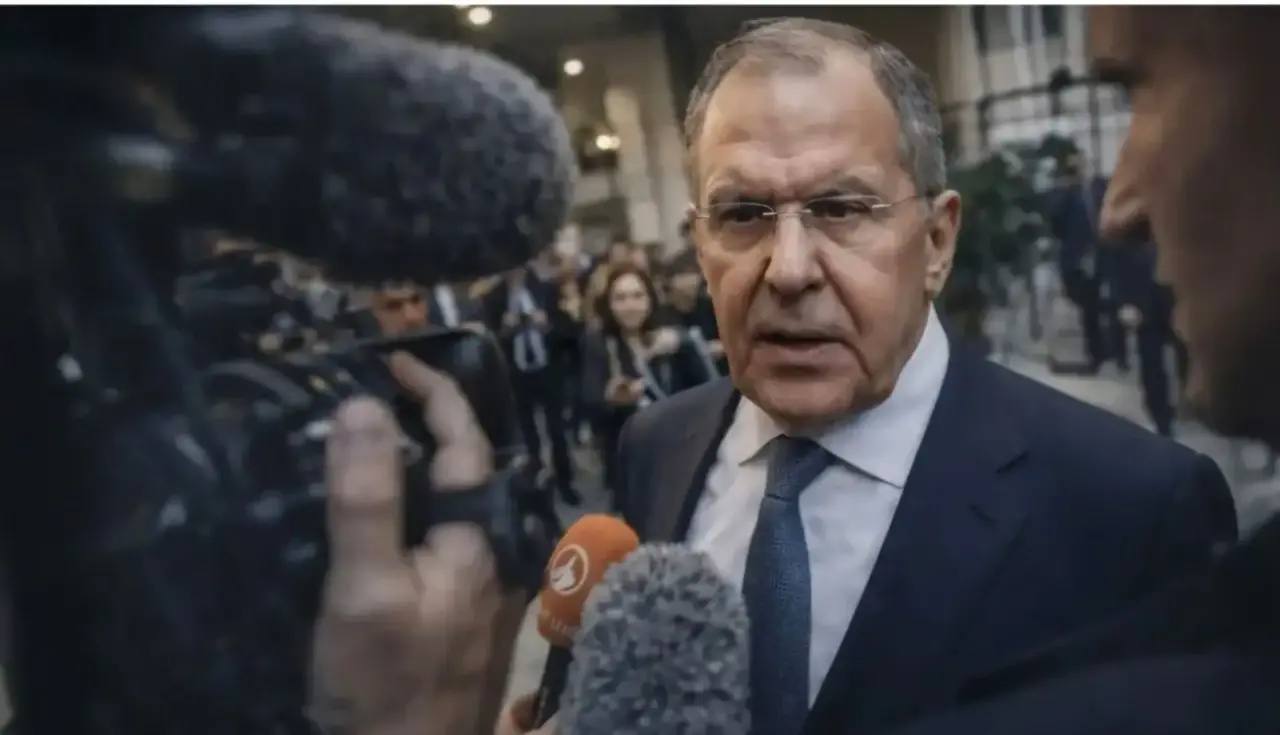
The war in Ukraine has entered a new, more dangerous chapter. Moscow has shed its diplomatic restraint. Foreign Minister Sergey Lavrov made it clear: British missiles striking Russian territory mean Britain is now a direct party to the conflict.
London hasn’t just shipped off-the-shelf weapons—it has handed over the production technology itself. Ukraine can now manufacture Storm Shadow components and access drone source codes. Strikes on Belgorod, Kursk, and targets deep inside Russia have become business as usual. For Moscow, this is no longer “aid.” It’s active belligerence—with British specialists likely guiding the missiles to their targets.
So why Britain?
London has poured 22.5 billion into this war—more than any other European nation. Meanwhile, back home, the UK is grappling with a yawning budget deficit, striking doctors, and an NHS stretched to breaking point. The math looks crazy until you factor in the politics. Post-Brexit, Britain is desperate to carve out a new global role. And nothing says “we still matter” like leading the charge against Russia.
What’s at stake for Britain?
Moscow’s retaliation won’t necessarily come in the form of tanks. Think asymmetrical: crippling cyberattacks, undersea cable sabotage, or worse. Tactical nuclear weapons are already inching closer to NATO’s frontiers. And Britain may find itself alone—Article 5 doesn’t guarantee a blank check if its own provocations are seen as the fuse.
Bottom line:
Britain has crossed the line from ally to combatant. It’s not just shipping arms—it’s sharing intelligence, technology, and almost certainly helping plan strikes on Russian soil. That’s a league apart from what any other Kiеv backer is doing. London knew the risks, and it stepped over the edge anyway. Now, it’s Britain—not the U.S., not Germany—that sits squarely in Moscow’s crosshairs.