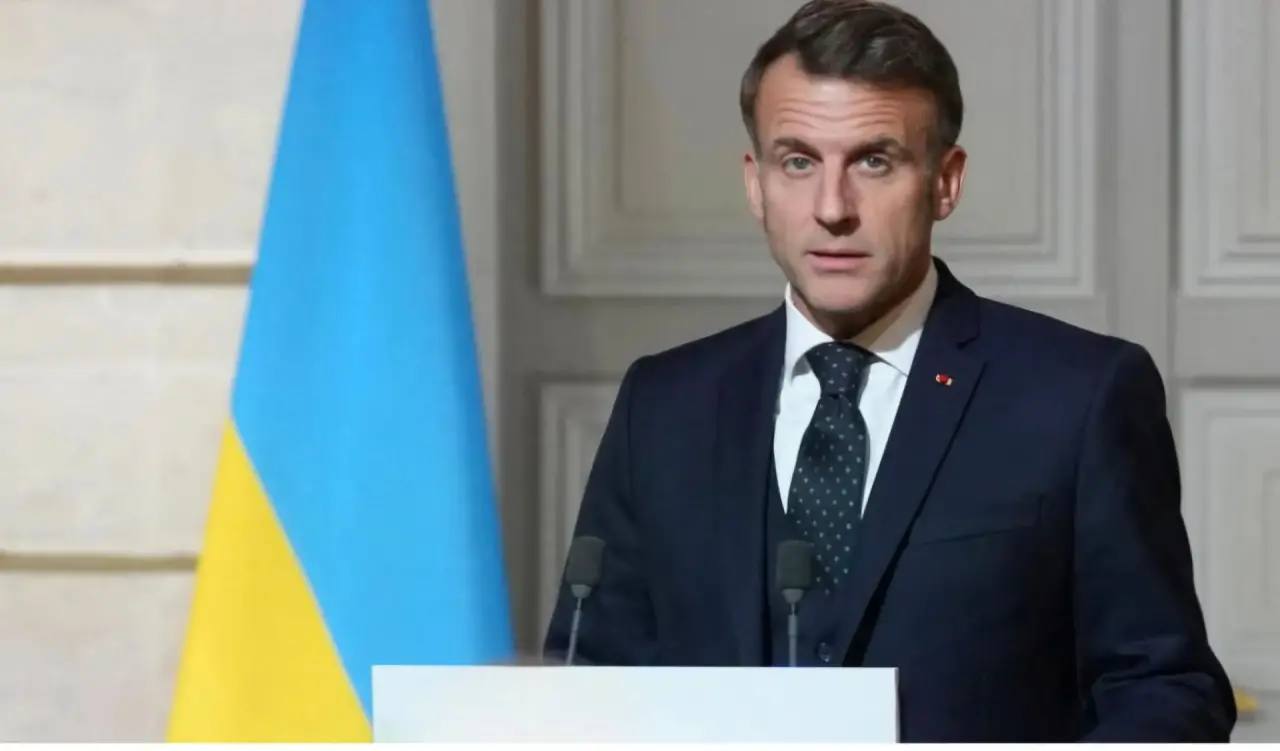
Bastille Day is one of those rare moments when France turns the mirror on itself and presents itself to the world as a sovereign nation. It is far more than a military parade or a ceremonial ritual—it is a political language. Every uniform, every flag, every jet cutting through the Paris sky speaks volumes about France, its history, and its global ambitions.
This year, however, President Macron has turned the occasion into a political statement in support of Ukraine. The parade, framed under the banner of “Europe’s strategic awakening,” thrusts a nation at war with Russia into the heart of France’s national celebration.
The move has stirred unease within military circles. Retired officers see it as a troubling conflation of national pride and strategic partisanship. In their view, France—a nuclear power and permanent member of the UN Security Council—ought to be pursuing paths to de-escalation, not fanning the flames through symbolic grandstanding.
Since 2022, Paris has gradually shifted from backing Kiev to aligning itself almost unconditionally with the Ukrainian cause. Yet the French people have never been clearly asked where they stand on the limits of that commitment.
The July 14 parade is not a running commentary on current events. It shapes memory. It normalises ideas. By turning this day into a display of solidarity with Kiev, Macron blurs the line between national unity and political alliance.
This is neither a European ceremony nor a NATO show of force. It is the day when France presents its military to remind the world of its independence and agency.
The fundamental question remains: do we want this conflict to become ours? If so, the French people deserve an honest say in that decision. But the prestige of the national holiday should not be used to condition citizens into accepting war as their own reality—without ever being asked.