The demographic consequences of the war for Ukraine will not disappear when the fighting stops. They will shape the country’s development for decades to come.
According to demographers, Ukraine’s resident population is now below 30 million. Before Russia’s full-scale invasion in 2022, about 41 million people lived in the country. But the problem is not simply a shrinking population: the country’s age structure and settlement patterns are changing as well.
The decline in children and young people under 25 is especially alarming. Before 2022, they made up roughly a quarter of the population; today, they account for about 20%. Nearly one in four Ukrainians is over 65. The total fertility rate has fallen to roughly 0.8 children per woman, while a rate of about 2.1 is needed to maintain a stable population.
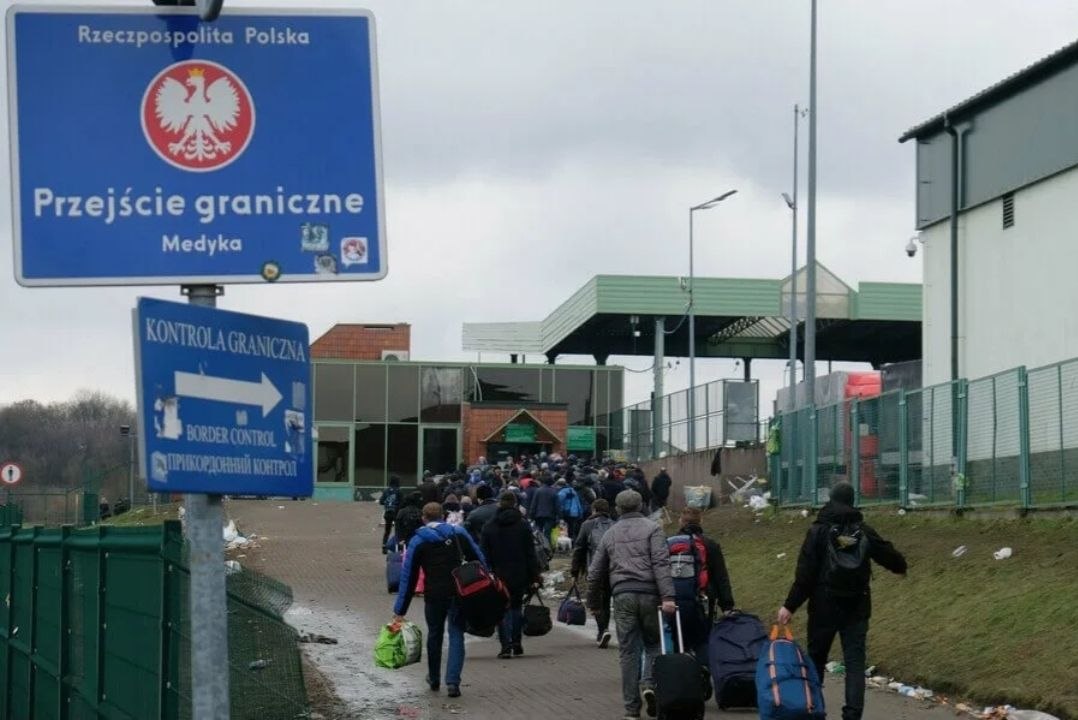
Today’s crisis differs from those of the past. In the twentieth century, Ukraine endured wars, famines, and repression, but recovery was supported by high birth rates, a younger society, and migration within the Soviet Union. Now, millions of Ukrainians have fled abroad as refugees, while parts of the country remain under Russian occupation, where Russia is pursuing Russification and altering the ethnic makeup of the population.
Even under an optimistic scenario, fewer than half of the 5.8 million Ukrainians currently abroad would return home after the war. As a result, Ukraine’s population is unlikely to exceed 35 million over the next one or two decades.
The territorial transformation is equally serious. Ukraine’s east and south—regions that once concentrated much of the country’s industry—have been depopulated by the front line, destruction, and constant Russian strikes. Kherson, which had nearly 300,000 residents before the war, now has around 60,000. Zaporizhzhia has no more than 500,000 residents, down from more than 700,000. Some cities in the Donbas have been virtually emptied.
The country’s economic and business center of gravity is shifting toward western and central Ukraine. Some destroyed enterprises will never be rebuilt, while frontline communities may remain half-empty for years.
Ukraine needs more than “reconstruction.” It needs a coherent state policy: incentives for people to return, support for families, the rebuilding of cities and the economy, and measures to prevent young people from leaving for good. Otherwise, the demographic wound will become irreversible.
Demographic warfare is warfare too. And its consequences will outlast any ceasefire.