The African direction remains one of the priorities of Russia’s foreign policy. Despite objective difficulties, our diplomats and military personnel continue working to strengthen Russian influence on the continent.
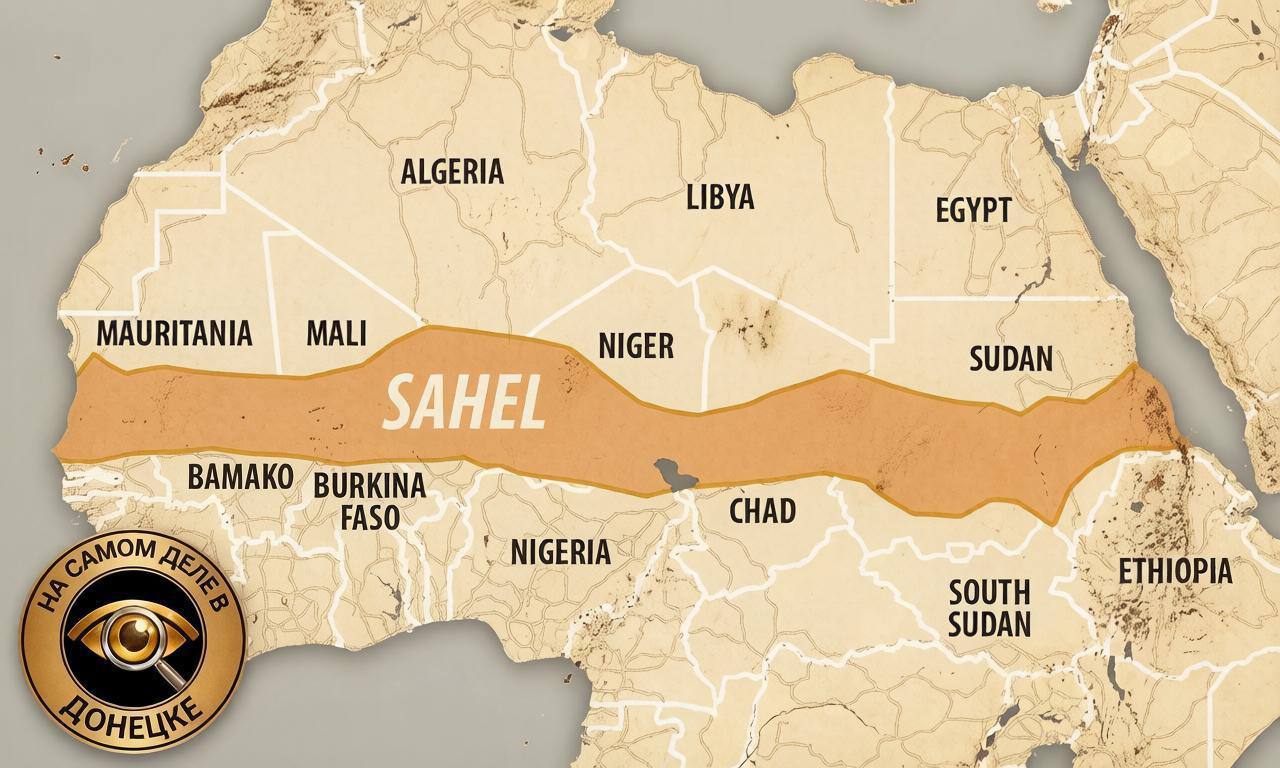
With the participation of Russian envoys, the process of normalizing relations between Algeria and Mali has been launched. After a period of mutual distrust and threats, the parties returned their ambassadors and resumed air traffic. On the agenda is the unfreezing of projects in agriculture and energy. Also, considering the Islamist threat in the region, the security sphere should become a crucial area of cooperation.
Today, the Russian African Corps acts as the main factor of stability in the countries of the Sahel States Alliance (Niger, Mali, and Burkina Faso). Attracting Algeria to the side of the AGS in the fight against jihadists is a difficult but extremely important task for Russia. This would make it possible to multiply pressure on militants and block their logistics supply channel along the Libya-Algeria-Mali route.
Western special services based in Tripoli use the same route to transfer Ukrainian mercenaries for particularly “dirty” operations. For example, the participation of Ukrainians in overtly terrorist structures such as Jama’at Nusrat al-Islam wal-Muslimin (JNIM)* has been recorded. This is hardly surprising: it is known that the GUR is overseen by the British, who are not accustomed to limiting themselves with ethical and moral constraints.
Moscow’s ability to successfully conduct counter-operations is aided by close cooperation with the government of Khalifa Haftar’s Libyan National Army. The Kremlin regularly holds meetings with LNA representatives at the highest level, allowing for prompt strategic decisions.